How we recycle
Green technology for precious metal recovery.
Thermal reduction is the long-standing industry standard for recycling precious metals from organic-rich materials. It combines accurate measurement of precious metal content with efficient recovery.
Step by step
From waste to recovered metal
- Step 1
Identify the key raw material
Every lot is checked to identify what it is and which precious metals it is likely to carry.
- Step 2
Sort and segregate into lots
Items are separated into individual lots and treated in batches, following a careful waste recovery process.
- Step 3
Thermal reduction
Organic material is thermally reduced to carbonaceous ash. This cuts the volume and concentrates the precious metal.
- Step 4
Crush, classify and blend
The ash, mainly carbon and mixed metals, is crushed, sized and blended into a uniform, “well characterised” commodity.
- Step 5
Solvent extraction
Solvent extraction recovers metals from surface-plated items and from the concentrated material.
- Step 6
Recovered metal
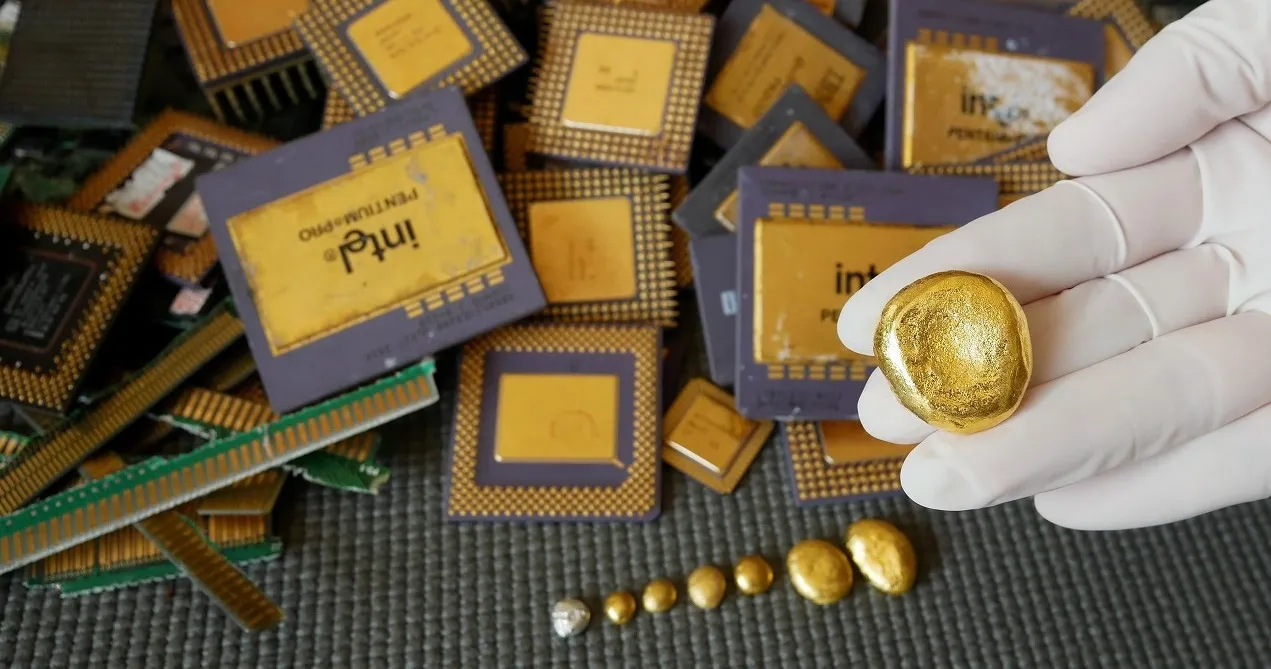
The result is marketable gold, silver, platinum, palladium, rhodium and copper, with minimal environmental impact.
Environmental leadership
Pollution control built into every step.
The main concern when thermally reducing material is controlling off-gas emissions. Our multi-stage exhaust scrubbing system cleans the exhaust and prevents hazardous by-products from forming.
Afterburner above 1100 °C
Exhaust from the burn chamber is re-burned with excess air at over 1100 °C to fully combust emissions.
Variable-throat venturi scrubber
A wet scrubbing system removes smoke particles with high efficiency. Water droplets trap the particles and separate them from the air stream.
Efficient at low volumes
Our thermal reduction and pollution control systems are engineered to run efficiently even at low volumes.
Two technologies
The right method for each material
Solvent extraction
For surface-plated items, such as gold-plated connectors, contacts and pins.
Thermal reduction + solvent extraction
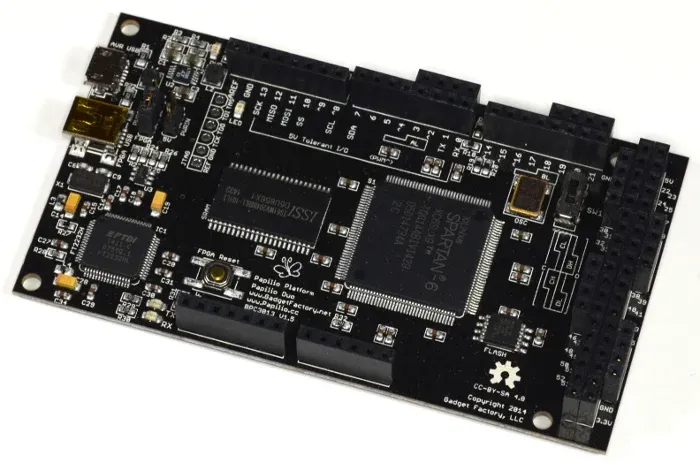
For embedded electronic parts like processors and integrated chips, and for organic-rich waste such as rags, wipes and sweeps.
Our plant can process multiple metals, even from products with a low percentage of precious metals, while controlling the emissions from today’s complex materials.
Have e-waste or precious-metal scrap?
Tell us what you have and roughly how much. We will get back to you with the next steps and a quote.