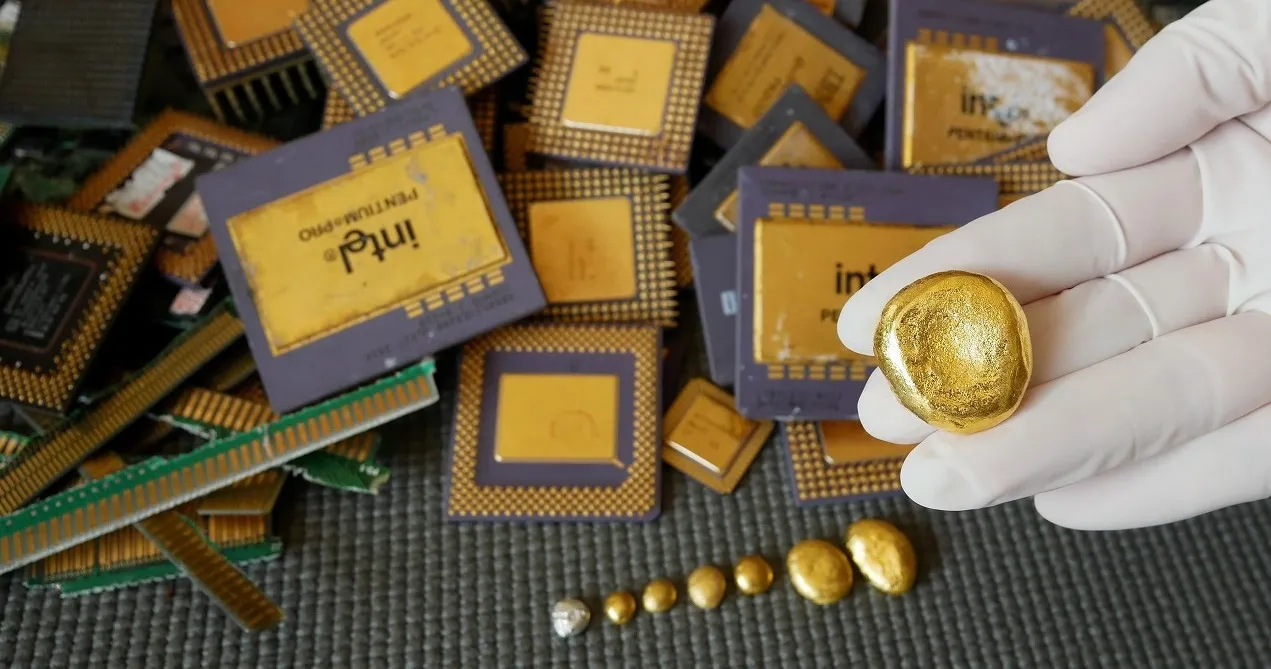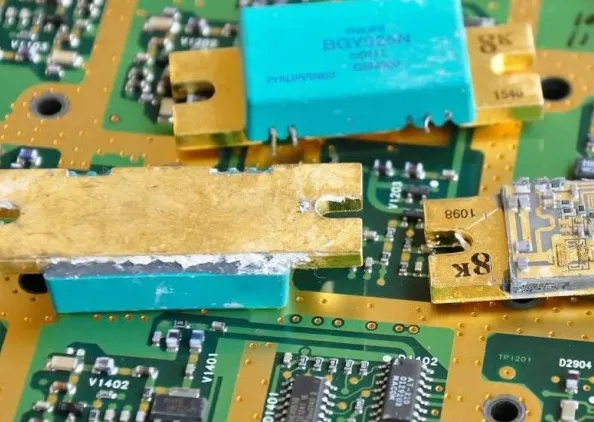
Precious metals touch our lives in many ways. Beyond jewellery, they are in smartphones and other electronics, medical devices, industrial equipment, fuel cell catalysts and robotics. They are finite, relatively rare and strategically important. That makes recycling them critical, especially for a country like India.
India depends on imports
India is one of the world’s largest consumers of gold, but it mines very little of its own. Almost all of it is imported. The same is true for platinum group metals like platinum, palladium and rhodium, which are used in catalysts and electronics.
Every gram of gold recovered from Indian e-waste is a gram that does not have to be imported. At national scale, this helps conserve foreign exchange reserves.
The world is producing more e-waste than ever
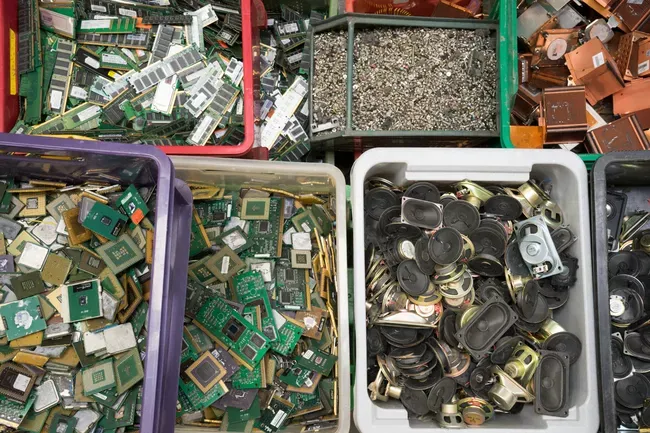
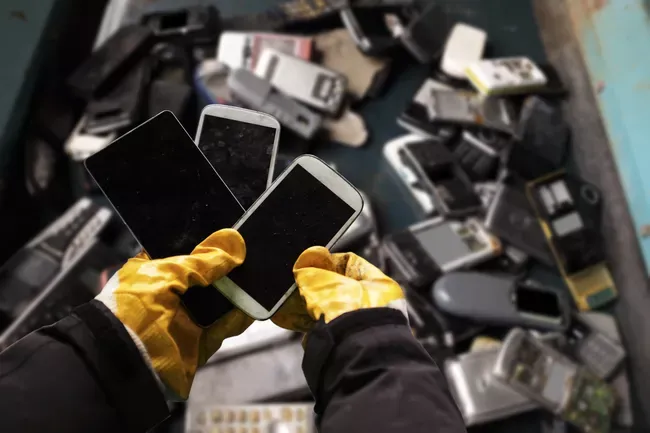
According to the UN’s Global E-waste Monitor 2024, the world generated about 62 million tonnes of e-waste in 2022, and only around 22% of it was documented as properly collected and recycled. India is one of the largest generators of e-waste in the world.
Most of the rest ends up in landfills, is burned, or is handled informally, and the metals inside are lost.
What is a circular economy?
The World Economic Forum describes a circular economy as an industrial system that is restorative or regenerative by design. It replaces the “end-of-life” idea with restoration, moves towards renewable energy, removes toxic chemicals that block reuse, and aims to eliminate waste through better design of materials, products and business models.
For precious metals, circularity is simple: metal that is already above ground should stay in use.
Recycling vs mining
| Mining | Recycling e-waste | |
|---|---|---|
| Gold per tonne | ~5 g in ore | ~150 g in phone boards |
| Land impact | Large open pits, tailings | Uses existing waste |
| Imports for India | High | Recovered locally |
The role of the informal sector
A large share of India’s e-waste is still handled informally. Workers often use open burning and acid baths, which damage health and the environment and recover only part of the metal.
The answer is not to shut these workers out but to connect informal collection with formal, controlled recycling. This is a core belief of our team at Alchemy Recyclers.
How we contribute
From our plant in Vadodara, Gujarat, Alchemy Recyclers recovers gold, silver, platinum, palladium, rhodium and copper using thermal reduction with strict emission control. Our work supports several of the UN Sustainable Development Goals, including responsible consumption and production (SDG 12) and climate action (SDG 13). Read about our sustainability pledge.